Dharavi Weekly 01
Authors
Authors


Dharavi Weekly 01
Authors
Authors
People involved
Related articles
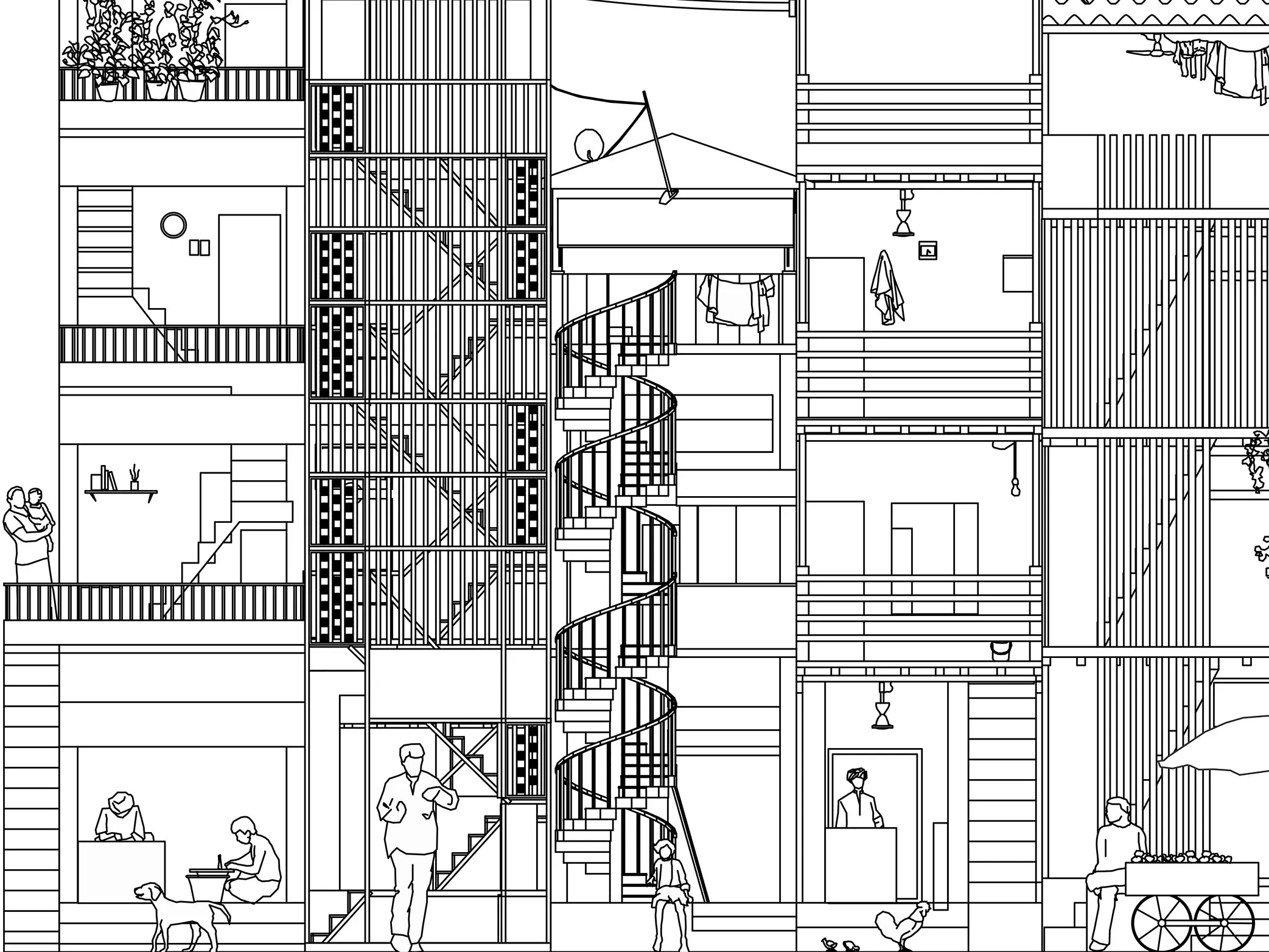
Not all is worthy of the bin! Our latest column in The Hindu explores features of Indian urbanism that could inspire cities around the world. (The Hindu 24.09.2017)
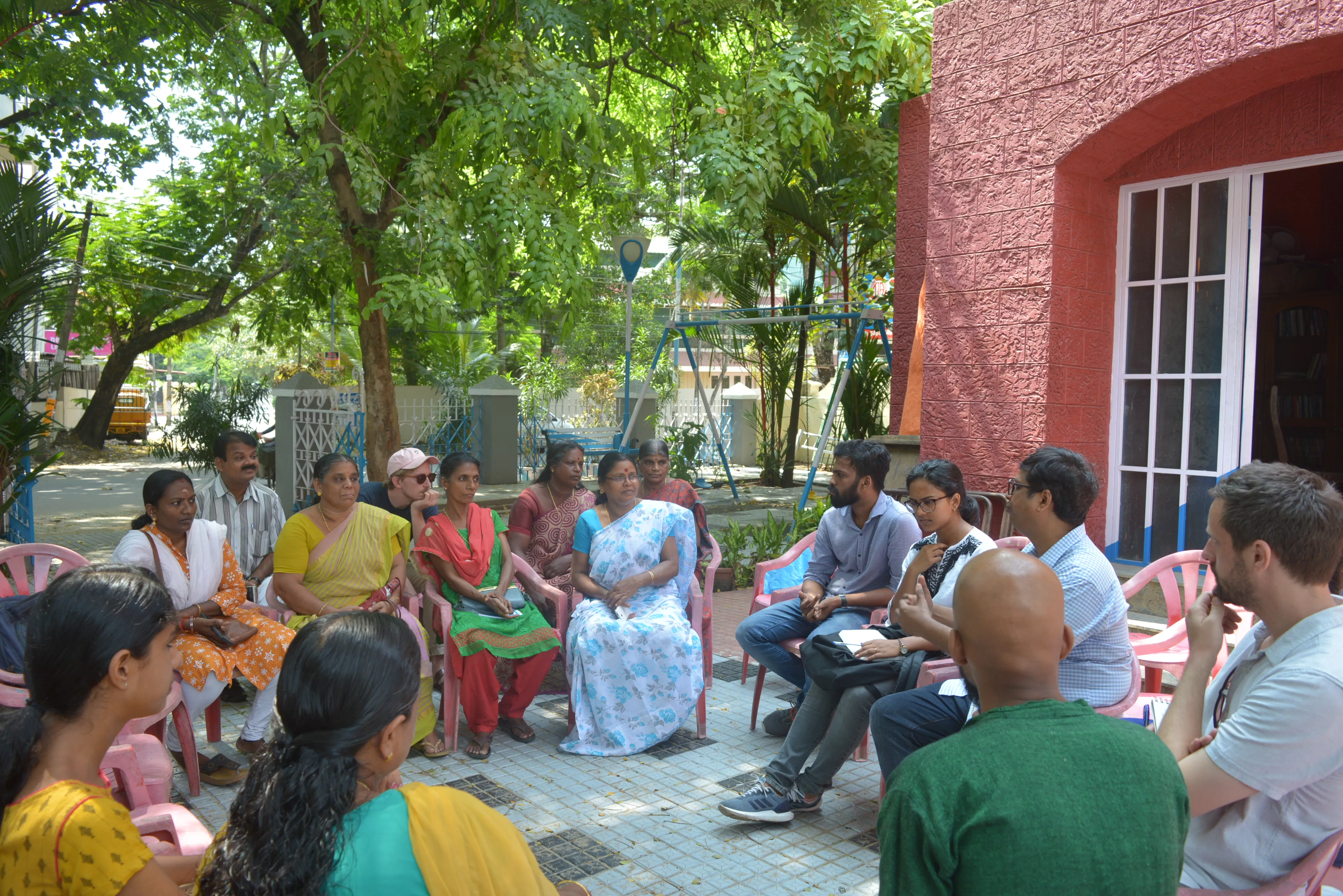
Cities around the world are acknowledging that local expertise, knowledge and skills are an effective mechanism to generate ideas, plans and strategies that can be implemented by themselves or by civic authorities and planning agencies. Earlier this year, urbz was part of such an endeavour where we conducted Urban Typhoon workshops in Kochi, India. It was an enriching process working with local people to generate programmes and plans for the improvement , transformation and preservation of neighbourhoods. People’s energies and collective capacities came together to become a powerful force that is promising for the future of Kochi.
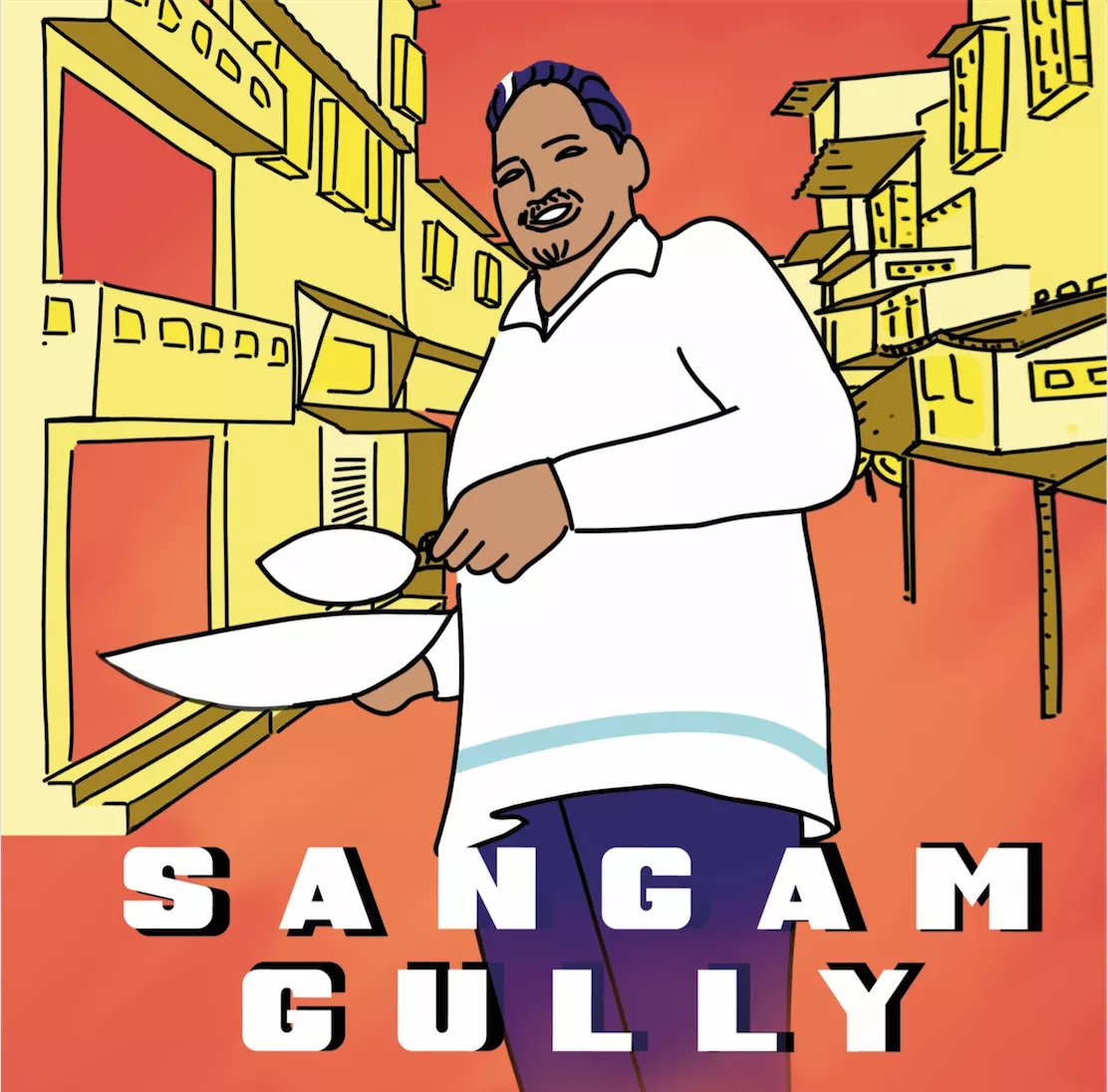
Inviting contractors from all over Mumbai to collaborate on designs for homes in Dharavi with residents, architects, and artisans.

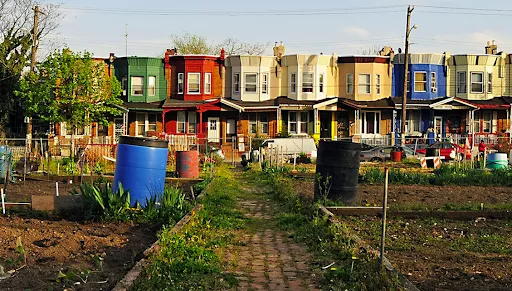
In a global context, populations marginalized because of race, class, gender, creed, etc. are those most incessantly stripped of this right to design the city in their own image within formalized constraints. In this way, the “informal” urban process of self-construction is inherently a product of this same marginality that excludes these groups from “formalized” city-making.
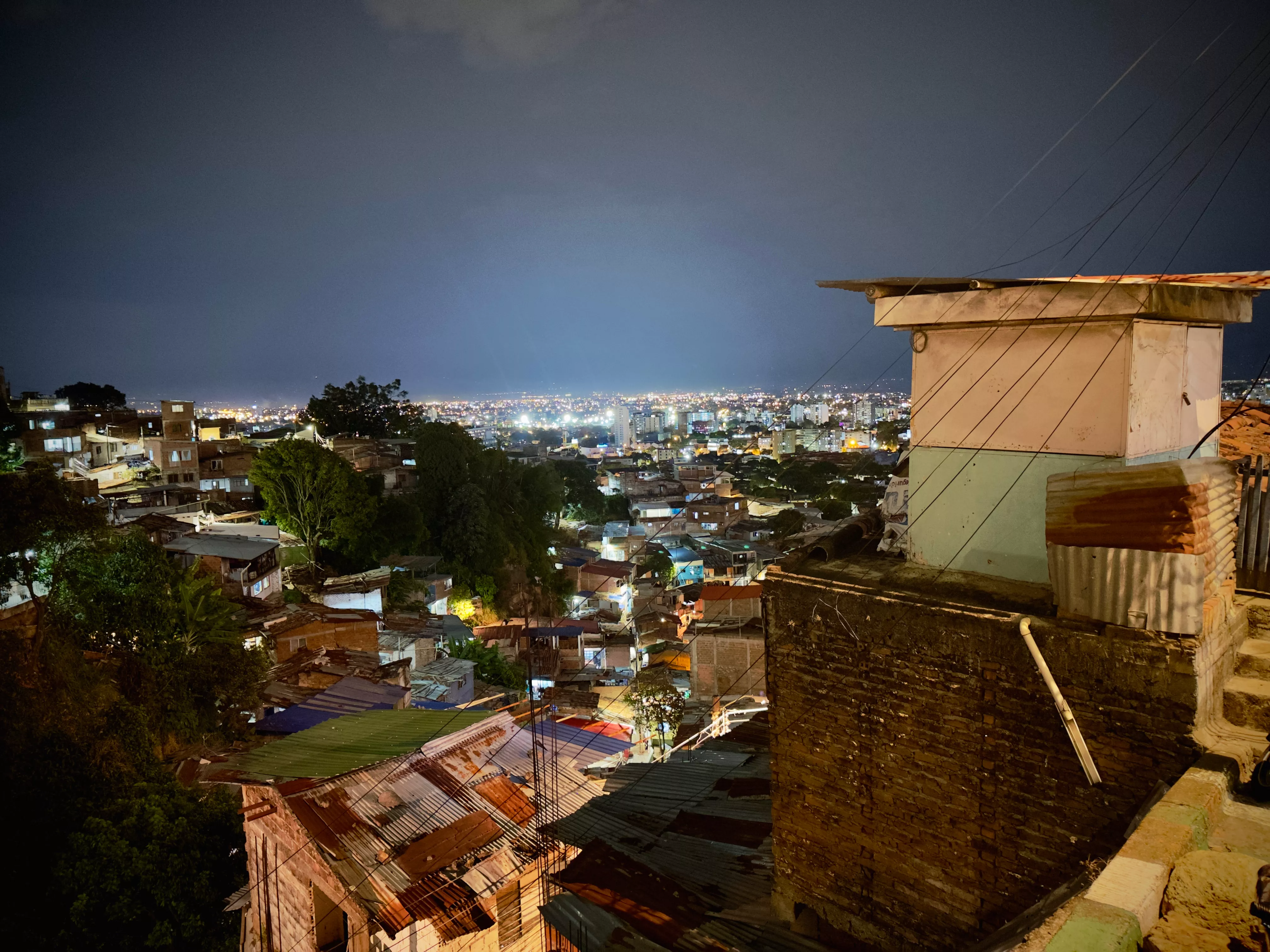
On May 9 - 10 urbz brought together collectives and institutions in Cali, Colombia. This is part of a 6 months project to develop a system to promote locally driven initiatives.


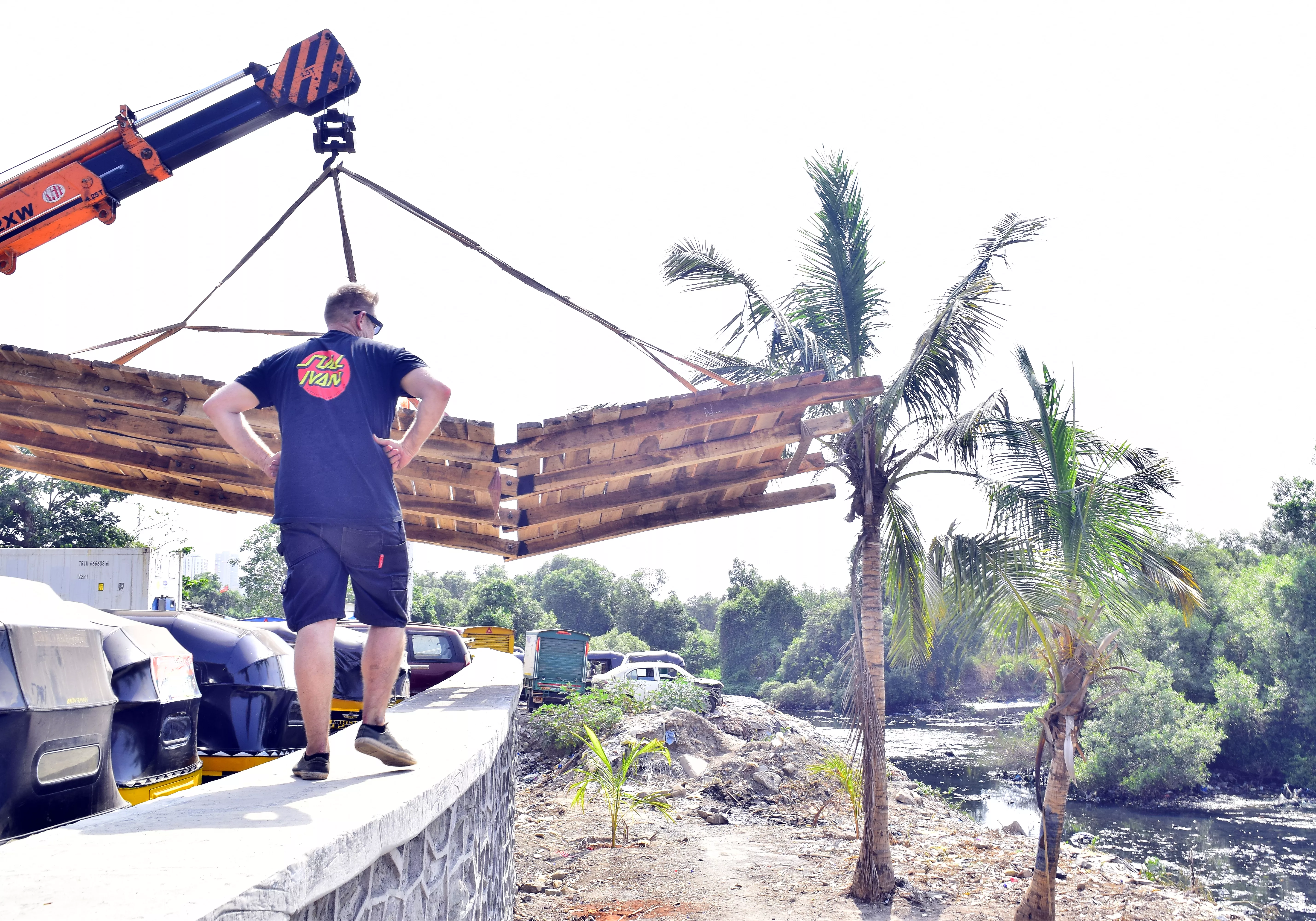
Dharavi Koliwada is on a mission to re-establish a dwindling connection to its fishing ponds. Along with the crew from Sullivan Carpentry and urbz, they are actively designing and building an amphibious device that helps fishing boats get into the water.
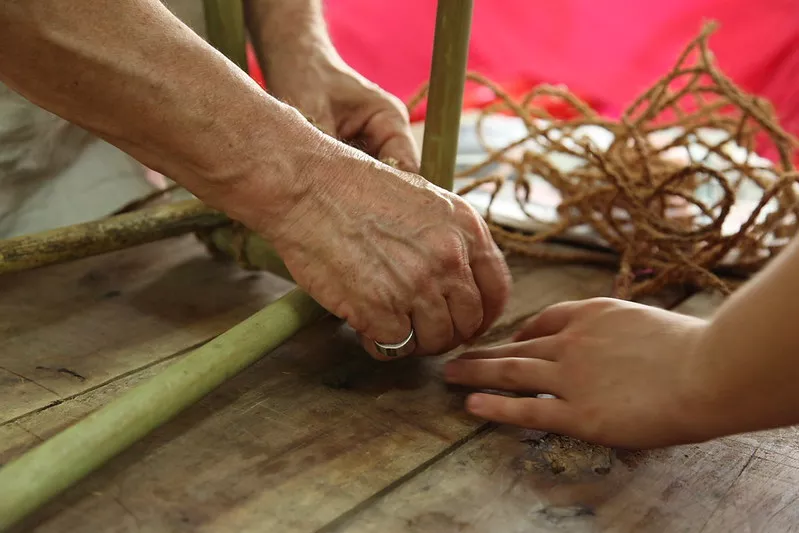
The Handstorm workshop brought together various actors from all around the world to build things that could improve the neighbourhood based on discussions with residents and with the help of local artisans
The coming together of speculation-driven real estate development and the idea of “public space” has produced weird urban species.
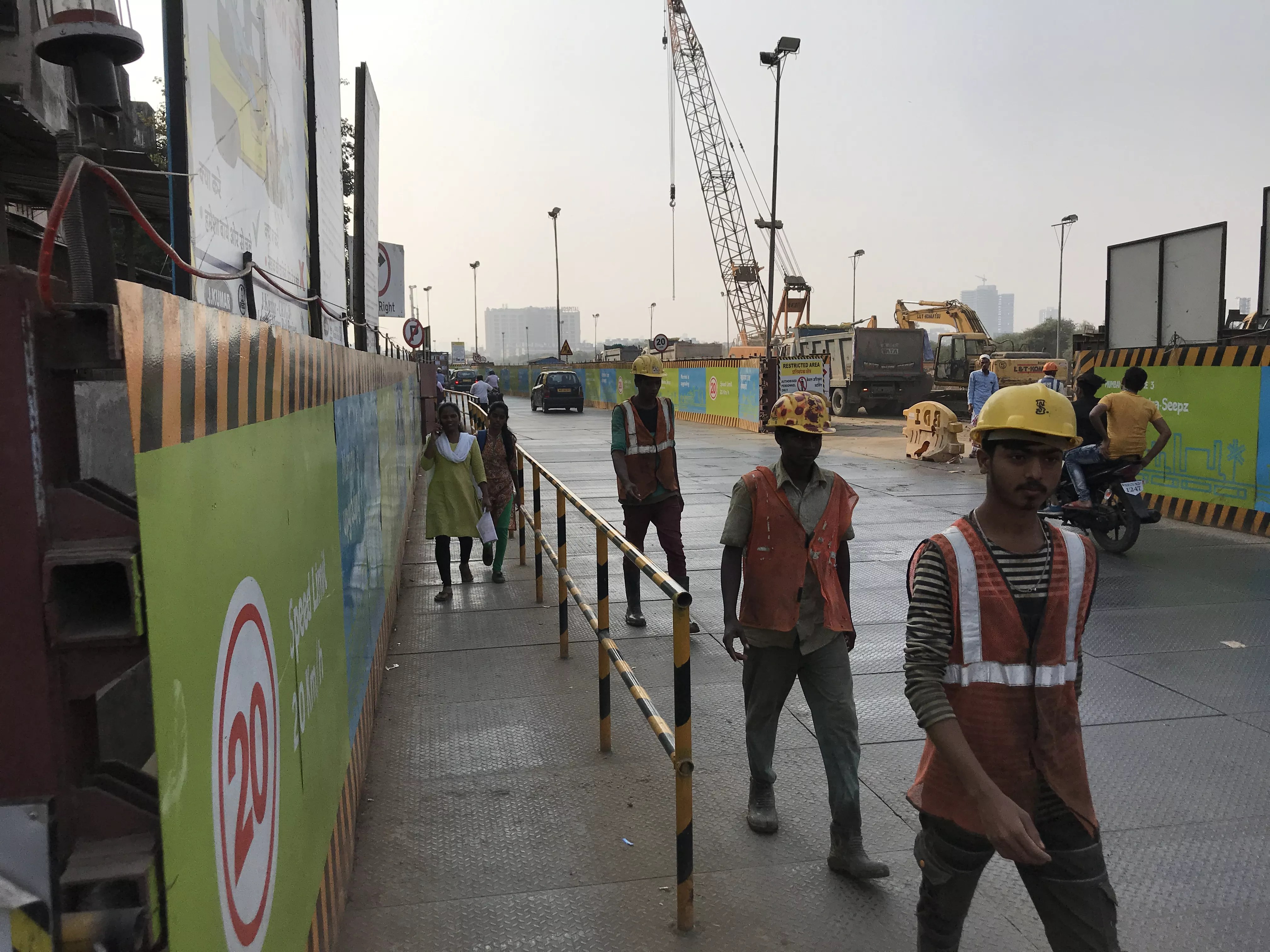
How the Mumbai Metro line 3 could affect Dharavi.
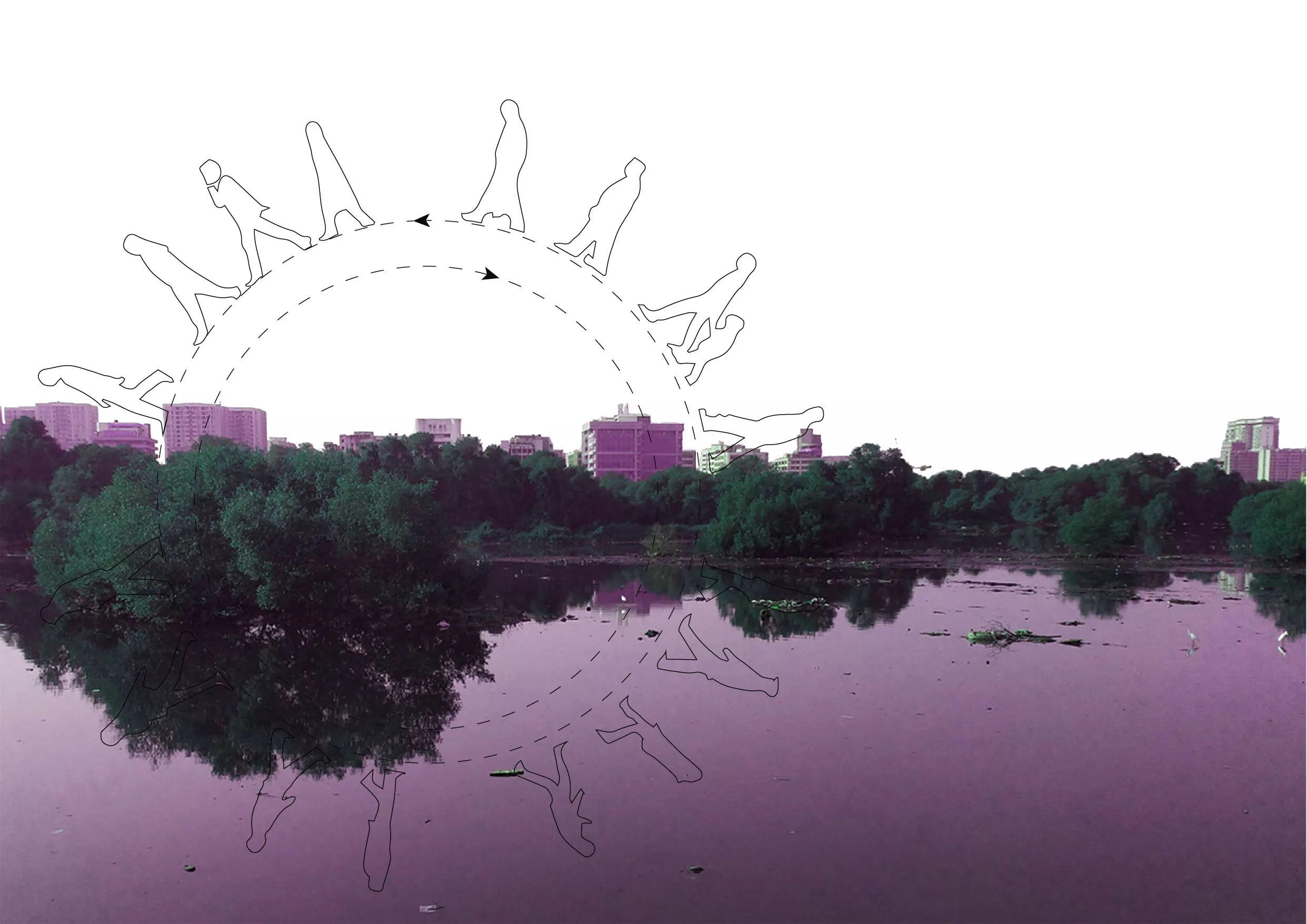
The mangroves of Mumbai are a metaphor for Dharavi - both have managed to survive and thrive in areas where others cannot, are tolerant of difficult conditions, are extremely productive, have far-reaching influence and provide the foundations for larger ecosystems.